Kicking off with UK Sole Trader vs Limited Company for Expats, this comparison delves into the nuances of legal structures, liabilities, and tax implications, shedding light on the optimal choice for expats navigating the UK business landscape.
UK Sole Trader vs Limited Company for Expats
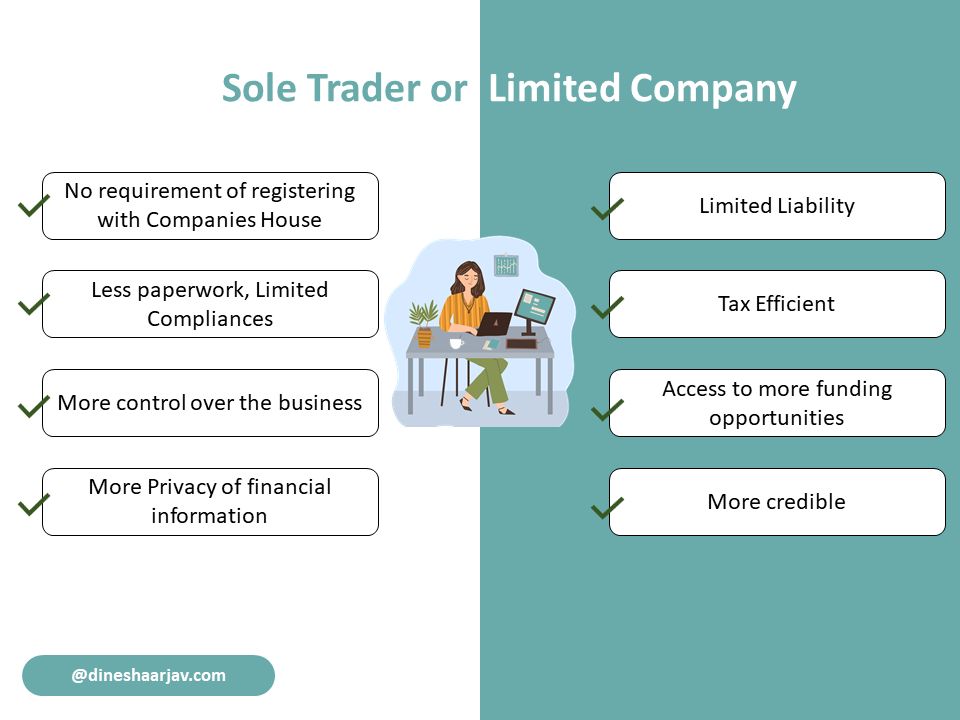





When it comes to setting up a business in the UK as an expat, there are two main options to consider: operating as a sole trader or forming a limited company. Each structure has its own advantages and drawbacks, so it’s essential to understand the differences before making a decision.
Concept of a Sole Trader and Limited Company
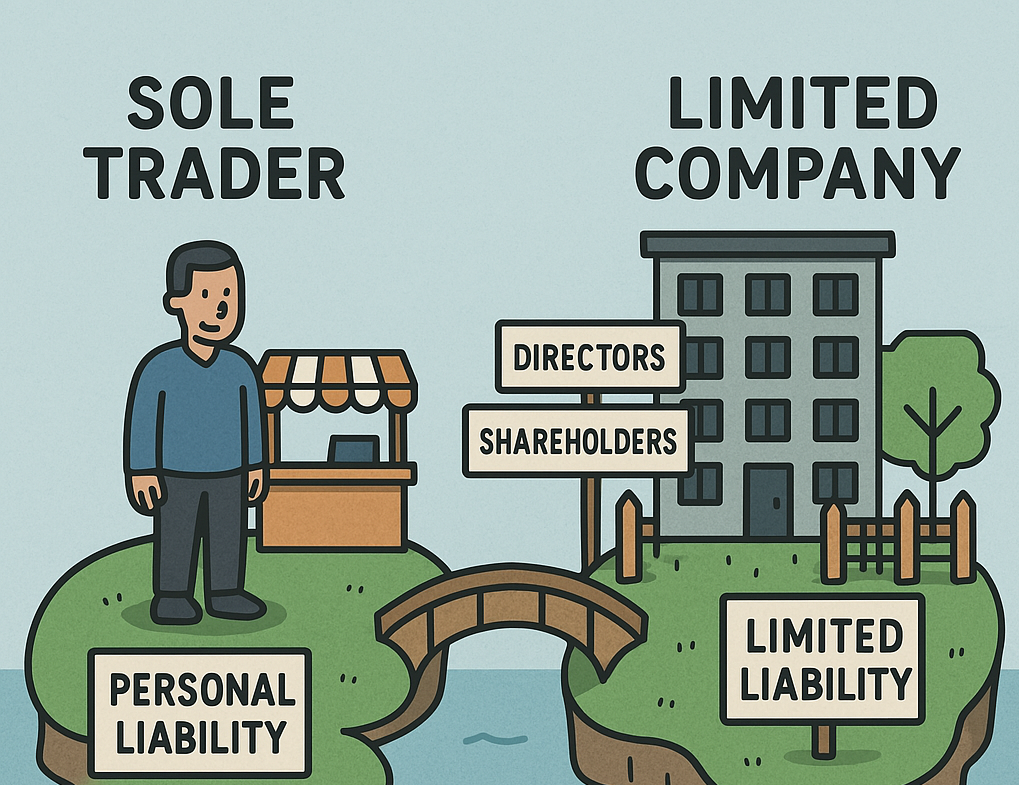
A sole trader is an individual who runs their own business as an individual and is personally responsible for all aspects of the business, including its debts. On the other hand, a limited company is a separate legal entity from its owners, providing limited liability protection.
Key Differences
- Legal Structure: Sole traders are not separate legal entities, while limited companies are distinct legal entities.
- Liability: Sole traders have unlimited personal liability for business debts, whereas limited company owners’ liability is limited to the amount invested in the company.
- Taxation: Sole traders are taxed as individuals, while limited companies are subject to corporation tax.
Advantages and Disadvantages for Expats
Operating as a sole trader may be beneficial for expats in industries where personal expertise and relationships are crucial, such as consulting or freelance work. Sole traders also have less administrative burden compared to limited companies.
On the other hand, forming a limited company provides more credibility, limited liability protection, and potential tax advantages through tax planning opportunities. However, it comes with increased compliance requirements and administrative responsibilities.
Examples of Beneficial Industries for Sole Traders
- Freelance writers or journalists who work independently and rely on their personal brand.
- Consultants offering specialized services based on their expertise.
- Personal trainers or fitness instructors providing one-on-one services.
Legal Requirements
When it comes to setting up a business in the UK as an expat, there are certain legal requirements to consider. Let’s dive into the specifics for both sole traders and limited companies.
Setting Up as a Sole Trader
- As a sole trader, you must register with HM Revenue & Customs (HMRC) for self-assessment and pay income tax on your profits.
- You will need to keep detailed records of your business income and expenses.
- Sole traders are personally responsible for any debts or liabilities incurred by the business.
Forming and Running a Limited Company
- For a limited company, you need to register your business with Companies House and appoint at least one director.
- You must submit annual accounts and a confirmation statement to Companies House.
- Shareholders in a limited company have limited liability, meaning their personal assets are protected in case of business debts.
Registration Processes and Documentation
- Expats setting up as sole traders must provide proof of identity and address, along with a Unique Taxpayer Reference (UTR) number.
- For limited companies, expats may need to appoint a UK resident director or use a service address in the UK.
Specific Regulations for Expats
- Expats may have additional tax considerations based on their residency status and the double taxation agreements between the UK and their home country.
- It’s important for expats to stay updated on any changes in immigration laws that could affect their ability to run a business in the UK.
Tax Implications
In the world of taxes, it’s essential to understand how being a sole trader or owning a limited company can affect your financial situation as an expat in the UK. Let’s dive into the tax implications for both options and see which one might be more advantageous for you.
Tax Implications of Operating as a Sole Trader
Operating as a sole trader in the UK means that you are self-employed and personally responsible for all aspects of your business, including taxes. Here’s how taxation works for expats in this scenario:
- Income Tax: As a sole trader, you will pay income tax on your profits, which is based on your personal income tax rate.
- National Insurance Contributions: You’ll also need to pay Class 2 and Class 4 National Insurance contributions.
- Other Relevant Taxes: Depending on your business activities, you may be subject to other taxes like Value Added Tax (VAT) if your turnover exceeds a certain threshold.
Tax Implications of Operating a Limited Company
Owning a limited company as an expat in the UK can offer some tax advantages compared to being a sole trader:
- Income Tax: Limited companies pay corporation tax on their profits, which is typically lower than personal income tax rates.
- National Insurance Contributions: Directors of limited companies can choose to pay themselves a salary and dividends, which can result in lower National Insurance contributions compared to being a sole trader.
- Other Relevant Taxes: Limited companies may have additional tax planning opportunities, such as claiming business expenses and allowances.
Comparing Tax Advantages and Disadvantages
When choosing between being a sole trader or a limited company, consider the following factors:
- Income Tax: Limited companies may offer tax savings due to lower corporation tax rates.
- National Insurance Contributions: Directors of limited companies can structure their income to minimize National Insurance contributions.
- Other Relevant Taxes: Limited companies have more tax planning opportunities, but also come with additional administrative responsibilities.
Tip: Consult with a tax advisor to optimize your tax situation based on whether you choose to operate as a sole trader or a limited company.
Reporting and Compliance
As an expat running a business in the UK, understanding the reporting and compliance requirements is crucial to avoid any issues down the line.
Sole Traders Reporting Requirements
Sole traders in the UK must keep accurate records of their business income and expenses. They are required to file an annual self-assessment tax return with HM Revenue & Customs (HMRC) by the deadline. This includes reporting all income earned and expenses incurred during the tax year.
Limited Companies Reporting Obligations
Expat owners of limited companies in the UK have more extensive reporting obligations compared to sole traders. They must file annual accounts with Companies House, which includes a balance sheet, profit and loss account, and notes to the accounts. Additionally, they need to submit a corporation tax return to HMRC.
Differences in Reporting and Compliance, UK Sole Trader vs Limited Company for Expats
The main difference between sole traders and limited companies lies in the level of detail required in their financial reporting. Limited companies have to adhere to stricter accounting standards and disclosure requirements compared to sole traders. Additionally, limited companies are subject to corporation tax, while sole traders pay income tax on their profits.
Tools for Managing Reporting and Compliance
To help expats manage their reporting and compliance duties effectively, there are various accounting software options available. Tools like QuickBooks, Xero, or FreshBooks can assist in keeping track of income and expenses, generating financial reports, and ensuring compliance with tax regulations.
Last Word: UK Sole Trader Vs Limited Company For Expats
In conclusion, the decision between operating as a sole trader or a limited company for expats in the UK is a crucial one that requires careful consideration of legal, tax, and compliance factors to ensure success and financial stability in the long run.
Question & Answer Hub
What are the key differences between a sole trader and a limited company in the UK?
The main variations lie in legal structure, liability, and taxation, with a sole trader having unlimited liability compared to a limited company.
What industries or professions are more suited for expats as sole traders rather than limited companies?
Service-based industries like consulting or freelancing often benefit from the simplicity and flexibility of a sole trader structure.