Imagine navigating through a sea of insurance options, unsure of which company deserves your trust. The insurance landscape is vast and diverse, and finding the right fit can seem daunting. But what if you could clearly see the top contenders that stand out from the crowd? Let’s dive into the world of insurance and discover who the top three insurance companies are.
In this guide, we’ll break down the essential factors that make these companies leaders in their field. We’ll compare their offerings, market presence, and unique advantages that keep them ahead of the game. Prepare to get an insider’s look at what makes these insurance giants tick.
Overview of the Insurance Industry
Did you know that the global insurance market is projected to reach a staggering $6 trillion by 2025? That’s the size of the economy of a major country! The insurance industry is a powerhouse that protects individuals and businesses from unforeseen financial losses.
But it’s not just about numbers. The industry is a complex ecosystem with diverse players and products tailored to different needs. It’s like a well-oiled machine working behind the scenes, ensuring that when life throws a curveball, you’re not left in the lurch.
Types and Structures of Insurance Companies
Insurance companies come in various shapes and sizes. At one end, you have the life insurance companies that focus on policies covering death, disability, and retirement. On the other, non-life insurance companies (also known as property and casualty insurers) cover everything from car accidents to natural disasters.
Then there are health insurers, which have become especially crucial in today’s world. These companies provide policies to cover medical expenses, sometimes in collaboration with government programs. Each type of insurance company plays a specific role in safeguarding different aspects of our lives and assets.
Roles and Responsibilities of Insurance Companies
Insurance companies don’t just collect premiums and pay out claims. They are risk managers at their core. These companies assess risk, set premiums accordingly, and ensure they have enough reserves to cover potential claims.
Moreover, insurance firms are pivotal in maintaining economic stability. They invest premium dollars into various financial instruments, which in turn supports economic growth. That means when you pay your premium, a portion of it helps fuel the economy!
Major Categories of Insurance Products
Curious about what insurance products are out there? Here’s a quick look:
| Category | Description |
|---|---|
| Life Insurance | Covers life and provides financial support to beneficiaries after the policyholder’s death. |
| Health Insurance | Covers medical expenses, including hospital stays and treatments. |
| Auto Insurance | Protects against financial loss from car accidents or theft. |
| Home Insurance | Covers damage or loss of a home due to disasters or accidents. |
| Travel Insurance | Provides coverage for unexpected events during travel, like medical emergencies or trip cancellations. |
Pro Tip: Always read the fine print when purchasing insurance. It could save you a headache (and money) down the road!
Key Factors in Evaluating Insurance Companies
Have you ever wondered what really sets the top insurance companies apart from the rest? It’s not just about the lowest premiums or the flashiest ads.
When you’re evaluating insurance companies, you need to dig deeper. It’s about understanding the criteria that matter: financial stability, customer service, and market reputation. These are the keys that unlock the truth behind a company’s standing in the industry.
Financial Stability and Customer Service Metrics
If you’ve ever had to file a claim, you know that having an insurance company with rock-solid financial stability is crucial. Why? Because a company’s ability to pay claims hinges on its financial health. But that’s not all. Exceptional customer service is just as important. Who wants to be stuck on hold when you need help the most?
Here is the deal: You don’t just need a provider that can pay out claims; you need one that makes the process painless. Check their financial ratings from agencies like A.M. Best or Moody’s and scrutinize customer reviews. These insights can save you a headache later on.
Market Share and Reputation
Ever heard the saying, “Go with the crowd”? In the insurance world, this translates to market share and reputation. Companies with large market shares often have the clout to negotiate better rates, and a strong reputation means they’re doing something right. But, don’t just take their word for it. Look for independent reviews and surveys from trusted sources.
Pro Tip:
Don’t underestimate the power of a company’s reputation. It can speak volumes about their reliability.
| Evaluation Factor | Description |
|---|---|
| Financial Stability | Measured by ratings from agencies like A.M. Best. |
| Customer Service | Assessed through customer reviews and support response times. |
| Market Share | The percentage of total sales in the industry held by the company. |
| Reputation | Gauged by public perception and industry surveys. |
Identifying the Top Three Insurance Companies
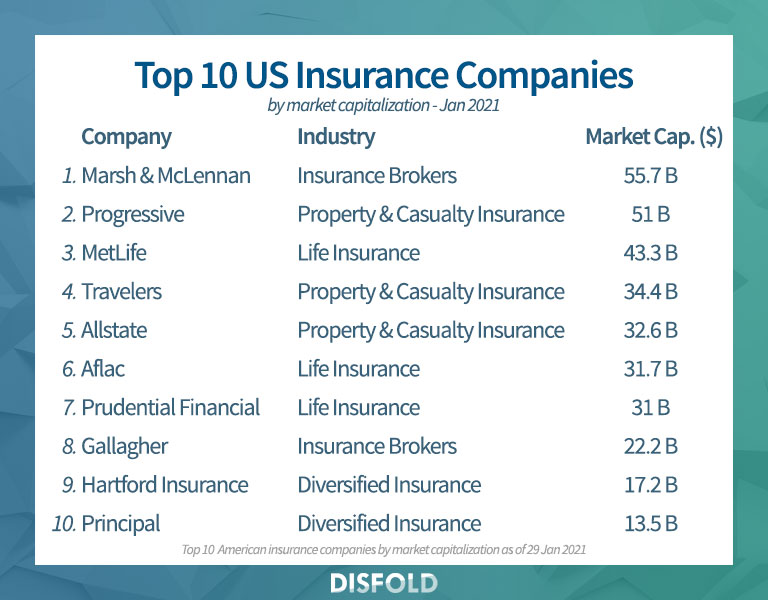
So, who are the heavy hitters in the insurance world? Let’s dive into the top three insurance companies that dominate the market. By understanding their core offerings and market presence, you can make a more informed choice.
Choosing the right insurance company can make or break your peace of mind. But here’s the deal: not all insurance companies are created equal. Let’s see how the giants stack up.
The Big Three
We’ve narrowed down the list to the top three insurance companies based on their market share, customer satisfaction, and robust service offerings. These companies have stood out in a crowded field.
-
State Farm
- Founded: 1922
- Core Offerings: Auto, Home, Life, and Health Insurance
- Market Presence: Largest auto insurer in the U.S.
-
Berkshire Hathaway (Geico)
- Founded: 1936
- Core Offerings: Auto, Property, and Casualty Insurance
- Market Presence: A leading auto insurer with a significant advertising footprint
-
Progressive
- Founded: 1937
- Core Offerings: Auto, Home, and Commercial Insurance
- Market Presence: Known for competitive pricing and innovative online services
Comparing Core Offerings
Let’s put these companies side-by-side to see how they compare in terms of their core offerings.
| Insurance Company | Core Offerings | Market Presence |
|---|---|---|
| State Farm | Auto, Home, Life, Health | Largest auto insurer in the U.S. |
| Berkshire Hathaway (Geico) | Auto, Property, Casualty | Significant advertising footprint |
| Progressive | Auto, Home, Commercial | Competitive pricing, innovative online services |
Pro Tip: Always compare the core offerings and market presence before choosing an insurance provider to ensure you get the best coverage that suits your needs.
Competitive Advantages of Leading Companies
![[OC] Largest insurance companies by market cap : r/dataisbeautiful](https://static.brandfinance.com/wp-content/uploads/2024/03/Insurance-100-2024-Social-Media-Post_BSI-1.jpg "[OC] Largest insurance companies by market cap : r/dataisbeautiful")
Why do the top insurance companies always seem to get ahead of the pack? It’s not just about bigger budgets. They have strategies that keep them miles ahead.
Let’s dive into what makes these industry giants stand out. These companies aren’t just leaders by chance. It’s their unique product offerings, customer engagement strategies, and innovative approaches that set them apart.
Unique Product Offerings and Innovations
Insurance might sound boring. But the top players turn it into an art form. For example, several leading firms have developed AI-driven platforms that personalize insurance plans for you based on your lifestyle and needs. This isn’t just innovation; it’s a game-changer.
One company recently launched a revolutionary policy that adapts automatically as your life changes. It’s like having a customized insurance advisor in your pocket.
Mastering Customer Engagement
Have you ever felt like just another number to your insurance provider? That’s where the top three companies differ. They have mastered the art of customer engagement. By using advanced analytics, they know what you need even before you do. This makes the relationship feel personal and tailored.
Here’s the deal: their customer service isn’t just reactive; it’s proactive. They reach out with solutions before problems arise, keeping their client satisfaction at peak levels.
Market Trends and Future Outlook
Did you know the insurance industry is at the brink of a digital revolution? 88% of insurance executives believe that future success hinges on their ability to adapt to digital transformation. But are they ready?
Here’s the deal: the insurance landscape is rapidly changing. We’re seeing an explosion of new technologies, shifting consumer expectations, and regulatory updates that are challenging the status quo. The top players are not just reacting; they’re innovating and leading the charge.
Adapting to Technological Advancements
The insurance sector is tapping into AI and big data to redefine customer interactions. By leveraging predictive analytics, companies are now customizing offers to meet individual needs. For instance, machine learning algorithms can assess risks more accurately, streamlining the underwriting process.
Leading firms are investing heavily in InsurTech partnerships. These collaborations enable them to integrate cutting-edge technologies rapidly, providing a competitive edge. But it’s not just about tech; it’s about creating a seamless customer experience. And that’s where the battle will be won.
Regulatory Challenges and Opportunities
The regulatory environment is in flux, with new data protection laws and compliance requirements sprouting globally. This shift presents both hurdles and opportunities. Insurers who embrace compliance as a competitive advantage will likely gain consumer trust.
Pro Tip: “Stay ahead by investing in regulatory technology (RegTech) to ensure compliance efficiency.”
Key Market Trends
Let’s break down the current trends shaping the future of insurance:
| Trend | Impact |
|---|---|
| Digital Transformation | Enhanced customer engagement and operational efficiency |
| Personalization | Increased customer loyalty and retention |
| Sustainability Initiatives | Alignment with eco-conscious consumers |
| Cybersecurity Focus | Strengthened data protection and risk management |
These trends aren’t just buzzwords. They’re reshaping how insurance companies operate and compete. Companies that understand and adapt to these trends will not only survive but thrive in the coming years.
Customer Experience and Satisfaction
When was the last time you had a delightful experience with your insurance provider? If you can’t remember, you’re not alone. A shocking stat: nearly 90% of customers feel frustrated with their insurance companies.
Here’s the deal: customer experience is the secret sauce that separates top insurance companies from the rest. In the fiercely competitive world of insurance, providing a seamless and satisfying customer experience isn’t just nice-to-have; it’s a must-have. But how do leading companies pull it off? Let’s break it down.
Methods to Enhance Customer Satisfaction
Top insurance companies are obsessed with customer satisfaction. They aren’t just selling policies; they’re crafting experiences. Here’s how:
- 24/7 Support: Customers aren’t always conveniently experiencing issues during office hours. By offering round-the-clock support through chatbots and dedicated hotlines, companies ensure they’re always there when you need them.
- Personalized Communication: Nobody likes to feel like just another number. That’s why leading insurers leverage data analytics to tailor their communications and offers to fit individual customer needs and preferences.
- Streamlined Claims Process: Filing a claim shouldn’t feel like pulling teeth. Top firms are simplifying the claims process by using user-friendly apps and online platforms to make submitting and tracking claims a breeze.
- Feedback Loops: The only way to improve is to know where you’re falling short. Companies actively seek and act on customer feedback through surveys and reviews, turning insights into actionable improvements.
Impact of Technology on Customer Experience
The insurance sector is undergoing a digital transformation, and technology is at its heart. It’s not just about AI and machine learning; it’s about using these tools to elevate the customer journey.
Pro Tip: Implementing AI-driven chatbots can reduce response time by up to 90%, enhancing customer satisfaction significantly.
By adopting mobile-first strategies, insurers are meeting customers where they spend most of their time. Tech isn’t just a backend solution, it’s the new storefront. And it’s revolutionizing how policyholders interact with their insurers.
Final Summary
As we conclude our exploration of the top three insurance companies, it’s clear that success in this industry requires a blend of innovation, customer focus, and financial strength. These companies don’t just lead the market; they set the standard. Whether you’re a potential customer or simply an industry enthusiast, knowing what makes these companies tick gives you a deeper understanding of the insurance world.
Frequently Asked Questions
What criteria are used to rank the top insurance companies?
Criteria include financial stability, customer service, market share, and reputation.
Why is financial stability important for insurance companies?
Financial stability ensures that an insurance company can pay claims and withstand economic downturns.
How do top insurance companies enhance customer satisfaction?
They utilize technology, personalized services, and strong customer support to improve customer experience.
What sets leading insurance companies apart from their competitors?
Unique product offerings, innovative services, and effective customer engagement strategies provide a competitive edge.
How are current market trends impacting the insurance industry?
Trends such as digital transformation, regulatory changes, and consumer expectations are reshaping the industry.
