UK Business Opportunities for Expats in 2026 sets the stage for a detailed exploration of the evolving landscape for expats looking to establish businesses in the UK. From potential growth sectors to key challenges, this analysis delves into the intricacies of opportunities awaiting expats in the coming years.
As we delve deeper into the discussion, we uncover crucial aspects that shape the viability and success of expat ventures in the UK.





Overview of UK Business Opportunities for Expats in 2026

As of 2026, the business landscape in the UK offers a myriad of opportunities for expats looking to start their own ventures. With a diverse economy and a welcoming attitude towards foreign investment, the UK continues to be an attractive destination for expat entrepreneurs.
Current Business Landscape in the UK for Expats
- Expats in the UK have access to a well-established infrastructure, including advanced technology and financial services, which can support business growth.
- The UK government provides various incentives and support programs for expat entrepreneurs, such as tax breaks and grants, to encourage business development.
- The UK’s diverse population and multicultural environment create opportunities for expats to tap into niche markets and cater to specific cultural needs.
Potential Growth Sectors for Expats in the UK
- The technology sector, including fintech and AI, presents significant opportunities for expats due to the UK’s expertise in innovation and research.
- The renewable energy industry is another promising sector for expats, with the UK’s commitment to sustainability and the transition to green energy sources.
- The healthcare and biotech sectors are also growing in the UK, offering opportunities for expats with expertise in these fields to make a positive impact.
Key Challenges Faced by Expats Looking to Start a Business in the UK
- Navigating the complex regulatory environment in the UK can be challenging for expats unfamiliar with local laws and business practices.
- Securing funding and investment for a new business venture can be difficult, especially for expats without an established network or credit history in the UK.
- Cultural differences and language barriers may pose challenges for expats when communicating with local customers and partners, requiring adaptability and cultural sensitivity.
Legal Requirements and Regulations

Starting a business in the UK as an expat involves navigating through various legal requirements and regulations. Let’s delve into the key aspects expats need to consider.
Legal Requirements for Expats to Start a Business
- Expats looking to start a business in the UK must first obtain the necessary visa or work permit to legally operate in the country.
- Registering the business entity with the Companies House is mandatory, along with obtaining a unique business identifier.
- Compliance with tax regulations, including obtaining a unique tax identification number (TIN) and fulfilling tax obligations, is crucial.
- Depending on the nature of the business, additional licenses or permits may be required from relevant regulatory bodies.
Regulations on Foreign Ownership of Businesses
- Foreign nationals, including expats, can fully own a business in the UK without any restrictions on the percentage of ownership.
- However, some sectors such as financial services, defense, and transportation may have specific regulations limiting foreign ownership.
- It is important for expats to be aware of any sector-specific regulations and compliance requirements before starting a business in the UK.
Implications of Brexit on Business Regulations for Expats
- Following Brexit, the UK has implemented new trade and immigration policies that may impact expats looking to start or operate a business in the country.
- Changes in customs procedures, tariffs, and regulations on the movement of goods and services between the UK and the EU could affect business operations for expats.
- Expats should stay informed about the evolving regulatory landscape post-Brexit and seek professional advice to ensure compliance with the new regulations.
Market Analysis
In analyzing the market trends in the UK that present opportunities for expats, it is crucial to understand the competitive landscape across different industries. By identifying niche markets that are emerging and suitable for expats to explore, we can uncover potential areas for growth and success.
Industry Competition for Expats
In the UK, expats have the opportunity to venture into various industries that offer unique challenges and opportunities. Here is a comparison of the competitive landscape for expats in different sectors:
- Technology: The UK is a hub for tech innovation, providing expats with a competitive environment to explore opportunities in areas such as AI, cybersecurity, and fintech.
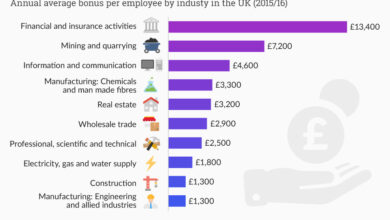
- Finance: With London being a global financial center, expats can tap into the thriving financial services sector, including banking, investment management, and insurance.
- Healthcare: Expats can leverage the growing demand for healthcare services in the UK, especially in areas like telemedicine, biotechnology, and medical research.
Expats need to conduct thorough market research and understand the specific challenges and opportunities within each industry to make informed business decisions.
Niche Markets for Expats
As the UK market evolves, certain niche markets are emerging that present lucrative opportunities for expats to explore. These niche markets cater to specific needs and preferences of consumers, creating a space for expats to differentiate themselves and succeed. Here are some examples of niche markets suitable for expats:
| Niche Market | Description |
|---|---|
| Green Energy | With the increasing focus on sustainability, expats can capitalize on the demand for renewable energy solutions and eco-friendly products. |
| Ethical Fashion | Expats can tap into the growing trend of ethical and sustainable fashion, offering unique and eco-conscious clothing options to consumers. |
| Food Innovation | By introducing innovative food products or restaurant concepts, expats can cater to the diverse palate of UK consumers and stand out in a competitive market. |
By recognizing and exploring these niche markets, expats can position themselves strategically in the UK business landscape and capitalize on emerging trends for long-term success.
Financial Considerations
Starting a business in the UK as an expat requires careful planning and consideration of various financial aspects. This section will provide an overview of the financial resources available, tax implications, incentives, funding options, and investment opportunities for expats in the UK.
Financial Resources for Expats, UK Business Opportunities for Expats in 2026
When expats decide to start a business in the UK, they can access a range of financial resources to support their venture. These resources may include personal savings, loans from financial institutions, venture capital, or angel investors. It is important for expats to research and choose the most suitable option based on their business needs and financial capabilities.
Tax Implications and Incentives
Expats running businesses in the UK need to be aware of the tax implications that come with it. The UK tax system can be complex, and it is advisable for expats to seek professional advice to ensure compliance with tax regulations.
Additionally, the UK government offers various incentives for businesses, such as tax relief schemes, grants, and subsidies, to encourage entrepreneurship and investment.
Funding Options and Investment Opportunities
Expats in the UK have access to a variety of funding options to support their business growth. These options may include traditional bank loans, crowdfunding platforms, government grants, or partnerships with investors. Furthermore, the UK market presents numerous investment opportunities for expats looking to expand their business or enter new sectors.
By exploring these options, expats can secure the necessary funding and resources to achieve their business goals.
Cultural Adaptation and Networking
Cultural adaptation is vital for expats looking to thrive in the UK business environment. Understanding and respecting the local customs, traditions, and work culture can help expats build trust and rapport with their colleagues and clients.
Building Professional Networks
Building professional networks in the UK is essential for expats to establish themselves in the business community. Here are some strategies to help expats network effectively:
- Attend industry events, conferences, and seminars to meet like-minded professionals and potential business partners.
- Join business networking groups and associations to expand your network and gain valuable connections.
- Utilize online platforms such as LinkedIn to connect with professionals in your industry and showcase your expertise.
The Role of Cultural Diversity
Cultural diversity can be a significant asset for expats in the UK business landscape. Embracing cultural differences can lead to innovative solutions, improved communication, and a broader perspective on business challenges. By leveraging cultural diversity, expats can enhance their business opportunities and establish a competitive edge in the market.
Concluding Remarks: UK Business Opportunities For Expats In 2026

In conclusion, UK Business Opportunities for Expats in 2026 offers a comprehensive glimpse into what the future holds for expats venturing into the UK business realm. With a blend of potential, challenges, and strategies, the horizon seems promising for those looking to make their mark in British business territory.
General Inquiries
What are the key growth sectors for expats in the UK in 2026?
The key growth sectors for expats in the UK in 2026 include technology, renewable energy, and healthcare.
What are the legal requirements for expats to start a business in the UK?
Expats need to register their business, obtain necessary visas or permits, and comply with tax regulations to start a business in the UK.
How can expats navigate cultural adaptation in the UK business environment?
Expats can navigate cultural adaptation by understanding local customs, networking with diverse professionals, and embracing inclusivity in their business approach.